The problem with telling laid-off journalists to Learn To Code is that $ORANGE_MAN=BAD doesn’t compile.
— JHigh-level armor, by Sansei Girls
…featuring the always delightful Saya Kataoka…
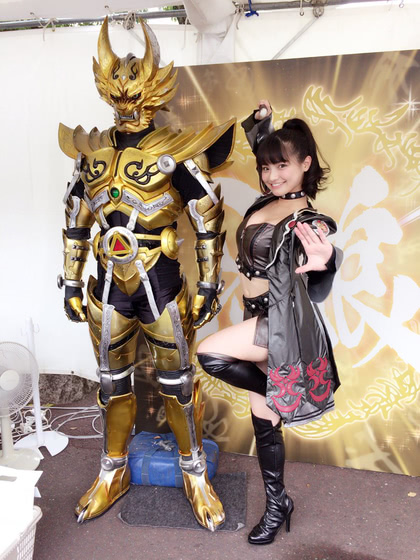
Saya’s own twitter account has lots of nice previews and outtakes of her various work. Sansei seems to have taken down the link to the Sansei Girls page, but in compensation, I’ll link to one of their 18-or-older games…
Dear Doctor,
In two of the four episodes this far, I’m getting what I’d call a “less-goofy Eccleston” feel. This is not a bad thing.
In the other two episodes, I’m getting a “half-assed crap” feel, but hopefully we’re past that.
However, and I’m just asking as a friend, what made you sure that they were all in range of Ryan’s music? I mean, we saw at least two dog-sized ones around town, and nothing to suggest that there weren’t a few dozen more.
Pixiv: Halloween-ish
It was great weather for trick-or-treating, and I didn’t hear about anything that would keep the kids off the streets, but instead of last year’s 126 candy bandits, I had, well, less than the number of pictures in this cheesecake roundup.
For future reference, the bulk bags of candy at Costco do not expire for at least five months, with some of them having sell-by dates as late as July and August 2019.
So, stop by my office for free candy. Every week. Please.

Update
Now with bonus horny Frankenstein gal, as requested.
Knotty time...
“What’cha doin’?”
"Oh, just workin' on my Girl Scout knots."
“Don’t you mean Boy Scout knots?”
"Why would I want to tie up boys?"
Pro tip: if you search for “cotton rope” on Amazon, don’t browse the “people also bought” section at work. Especially if the rope is from a company called BONTIME. My favorite was the “travel yoga and exercise kit” that included cuffs, collar, and two spreader bars.
The Peter Principle
My mental picture of how the writers were hired for the new season of Doctor Who runs like this:
“And last but not least…”
“Peter”
“Any
powersSF experience you want to tell us about?”“Nope. I don’t have one. Just saw the ad and thought it looked fun.”
“You’re in.”
Finally got around to trying to finish “Rosa” on the re-recorded version. Bailed at the “lucky winner” scene. Oh, FFS.
Found this week’s “Arachnids in the UK” better, with some nice characterization for Graham (apparently tight close-ups are this season’s theme, kind of like Missy but less murder-y), but I set it aside sometime after not-Trump told Yaz’s mom “you’re fired”. I’ll likely finish it, but seriously, ya had to go there?
Idol trigger discipline
The Japanese remake of Charlie’s Angels was cut short when Mamiko Asō (center) accidentally blew her right ear off while shooting this promotional picture. (not really)
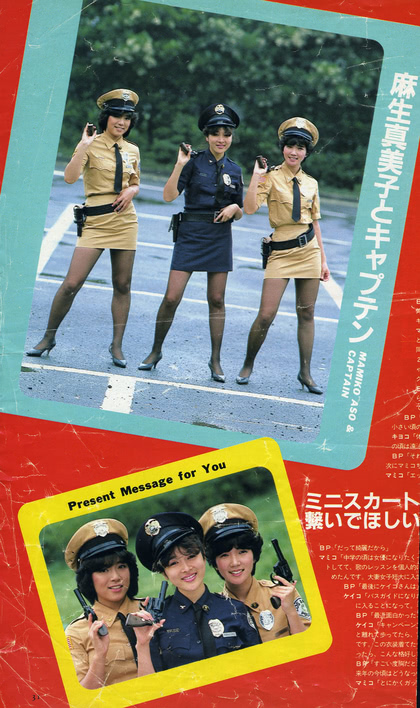
(via)
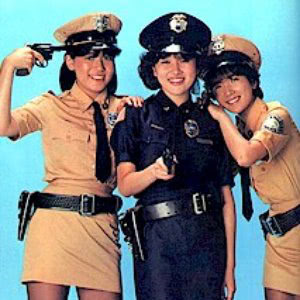
Even after this incident, her backup singers were a bit confused on the concept of gun safety…
Florida Man
🎶 🎶 🎶 🎶
Florida Man, Florida Man,
Makin’ fake bombs in a stickered van.
What’s his cause? It’s not important.
Florida Man.Is he for Trump, or is he a mess?
Is he a tool for the yellow press?
Was his timing coincidence?
Florida Man. Florida Man.
🎶 🎶 🎶 🎶