“A separate government report last month showed that the median price for a new home fell 6 percent in September to $215,700. Half the homes sold for more than the median and half for less.”
— CNN explains statisticsEmotional Aiz, Creepy Sagiri, Doctor Bugfix
DanSora, episode 4
In which it is revealed that Aiz once had a full range of emotions, before something as-yet-unspecified happened to her parents. Less time is spent on Lefiya’s desperate crush, but instead we get Tione going vigorously dere-dere over their pint-sized boss.
Speaking of which, I saw someone commenting that he had trouble remembering which name went with which amazon. The answer is simple: the last letter is their cup size. Tiona, DFC; Tione, boin!.
What really doesn’t work is splitting the party and having the annoying Loki annoy the annoying Bete. Their scenes advance the plot, but I just don’t enjoy the voice acting for either character.
By the way, this episode puts them about halfway through the second light novel, and it looks like book 3 wraps up the current plot. At the current pace, I’m guessing they’ll make it through book 4, at least, which includes Bell’s minotaur fight from their point of view.
How did Finn survive speaking the truth about every woman in the party? Given how slapstick they’re playing this series, I expected some sort of hysterical overreaction.
Eromanga-sensei, episode 5
Okay, so Sagiri is a creepy middle-aged man in the body of an adorable loli, Our Hero is her pimp, and they both really need to get out more. The episode improved once Elf arrived, as usual.
I don’t think Our Hero has told bookstore-chan that his little sister is Eromanga-sensei, and he seems completely oblivious to just how creepy his request was. Also, logic fail: Sagiri wants to see a wider variety of real girls so she can draw them, and bookstore-chan is a candidate because they spent animation dollars making sure the audience knew she had big bouncy ones. But Sagiri specifically wants to see her panties, which is less about reference material and more about her being an adorable little perv.
Meanwhile, she spends most of her time on the Internet, which is not exactly lacking in big boobs and panties. This reinforces the impression that her request is more personal than artistic. Maybe Our Hero needs to get her a debit card so she can subscribe to live cam shows?
Oh, almost forgot. WTF is up with the time-wasting shots of the fat jogger? Could you not find a better way to pad out the episode, like maybe animating the Elf-catch instead of showing a still?
Doctor Who, episode 10.4
Honestly, the best thing about this season is that it’s Steven Moffat’s last as showrunner. I don’t have a lot to say about this episode, except that, like the previous one, it feels like they’re just filing the serial numbers off of stories they did a few years ago and adding in a likely-disappointing season arc.
Did it occur to anyone that they just left a huge colony of murderous alien bugs on a piece of prime real estate that’s sure to be built on again soon? Also, maybe be a little less on-the-nose at casting Creepy Old Guy What Creeps At Midnight? Finally, perhaps a tiny bit of sympathy for the companion who just lost everything she owns, including the photographs the Doctor went to such lengths to create for her?
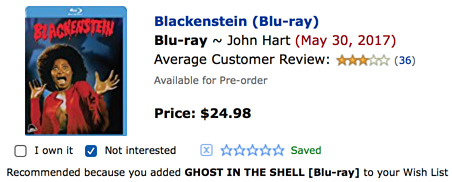
Dear Amazon,
I suppose it can’t be any worse than meeting Godzilla, but still, this wasn’t one of those obscure 75th-page recommendations, it’s currently #20 on my list, which usually suggests a fairly strong correlation, so I’m assuming you see some plot parallels here, right?
This he tags 'loli'?!?
I get the feeling this Tumblr user doesn’t quite grasp the concept of “tagging”, or else this is a particularly inept attempt at SEO. Gravure, yes. Sexy/セクシー, also yes. Idol? Probably not. Loli? Not a chance.

(via)
Dear Wen Spencer,
Your novel Eight Million Gods is a pretty good read. I spotted the occasional spell-check-editing error of the sort that is increasingly common in the genre, whether traditionally published or indie, but none of them were severe enough to obscure the meaning or knock me out of the story.
No, that was reserved for the error that I hope was introduced by an inept editorial assistant, because your knowledge of Japan is clear enough that I’m sure you know there’s no such thing as a hundred-thousand-yen bill, and that it would be ridiculous for a young woman to carry such a thing and use it pay the cover charge at a host club.
Also, someone needs to tell your cover artist that katanas are not swung like baseball bats. And that a collage of details from random pages in the book is not the same as drawing a scene from the book.
A cocktail served in big cups
In the US, asking your waitress for this particular variety of shōchū cocktail might get you arrested… unless it’s the kind of place that also sells lap dances.
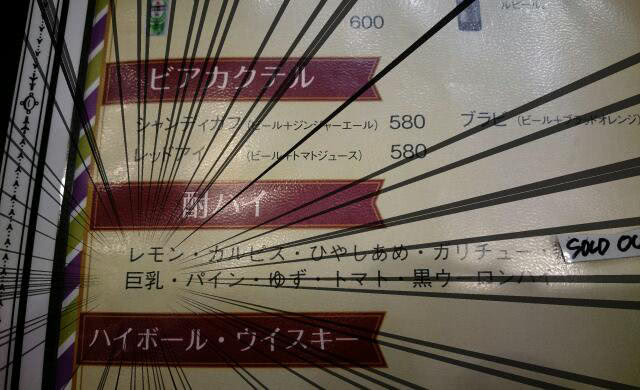
It certainly sounds more appealing than the tomato flavor they offer.
(via)
Pantry review: Barilla Ready Pasta
If you’re really desperate, and you don’t have time to boil water, this is kind of like pasta:
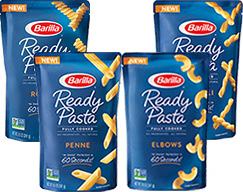
Except for the smell, which is the same plastic-y reek as the Uncle Ben’s Ready Rice pouches. Not, I suspect, a coincidence.
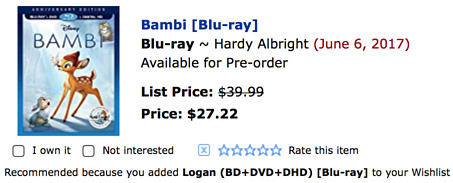
Dear Amazon,
Well, at least you can’t be accused of whitewashing your recommendations…