The $LICENSED_TOOL ‘AI’ Coding Experience
I fed it the spec, and it created a multi-file project, with a
separate HTML template file, a cleanly-formatted README.md
containing a quite reasonable summary of the purpose and function of
the program, a requirements.txt file containing the dependencies,
and a Python program that worked on the first try.
In testing, I identified four issues: two of them were arguably ambiguities in the spec, the other two were related to correctly displaying images larger than the window. After checking in the initial version, I went through the “approve changes” dialogs, where it showed me each change in a clear, clean diff. The resulting code passed all my tests.
For the third pass, I told it to package the whole thing up for distribution with the Python Poetry toolkit. It did. I’m done.
I did not allow $LICENSED_TOOL to run commands, even git checkins (which other IDEs can do without handing over the reins to an AI), because I’m not stupid. Still, the experience was so much better that I’d consider paying the $15/month fee if I had a lot of projects just lying around waiting to be written.
This is my shocked face; there are many like it, but this is mine:
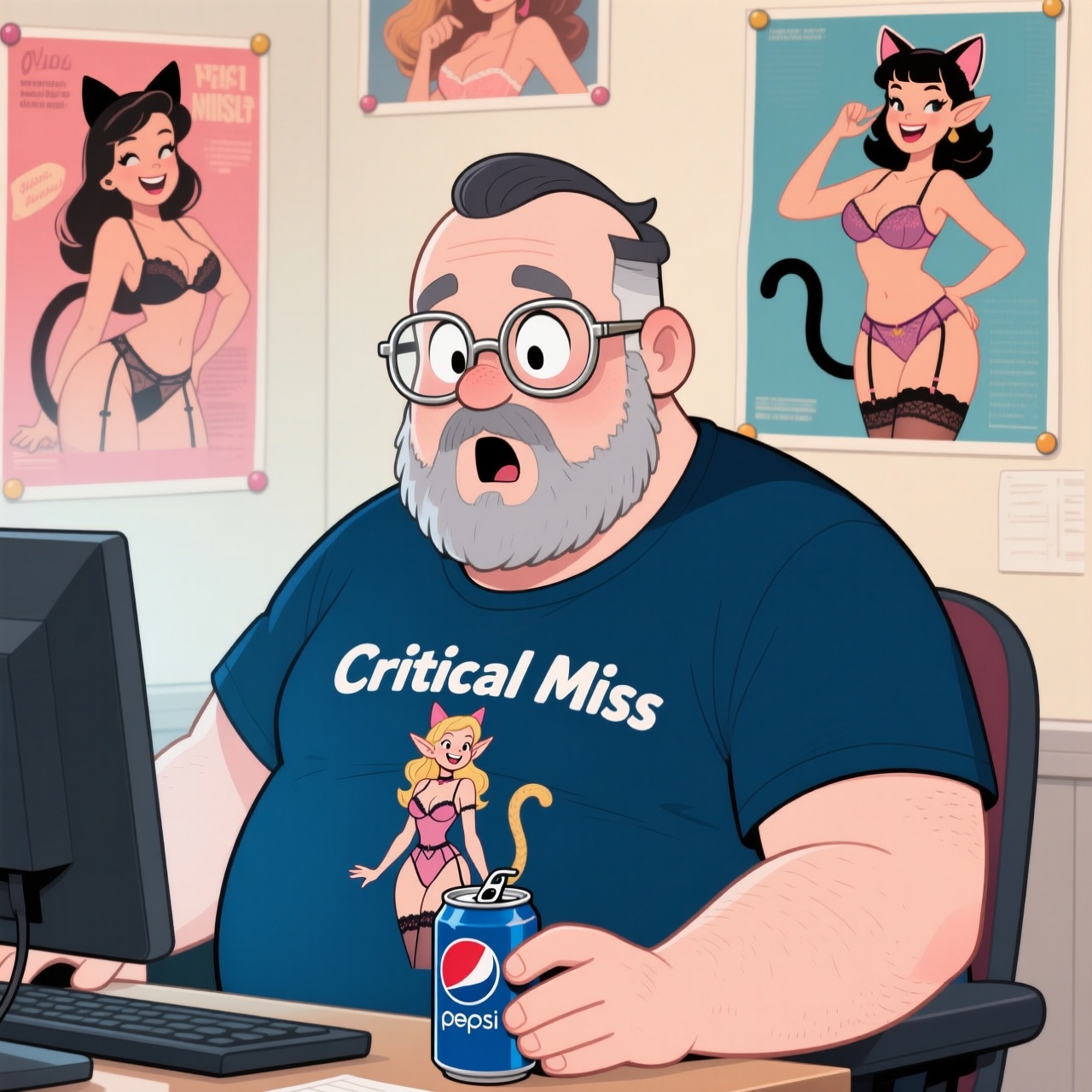
(I’m not nearly this fat, and I haven’t had a sugared Pepsi in over a decade; the rest is 100% accurate 😁)
The gals show plenty of diffusion bleed; the pin-ups are human gals with “cat ears and cat tail” (because “catgirl” makes disturbing furries), and the t-shirt gal is just an elf, with no mention of an apparently-detachable tail. It took several tries to get even one pin-up gal without elf ears.
Codellama-34B
I was chatting about this at work after sharing my positive experience with $LICENSED_TOOL, and someone asked DuckDuckGo which offline coding LLMs to use. It recommended WizardCoder and two variations of Codellama. I grabbed the largest versions of them (~34GB each on disk) and fed them the spec.
Codellama wrote me a short story about how it would write the program. Just the story, no code.
I followed up with “write the program”. It wrote a sequel to the story.
I followed up with “where’s the code?”, and its answer was, I shit you not:
I uploaded my code on Github as well - https://github.com/akshat-raj09/CMPE15M_A3
I’m gonna need a bigger shocked face.
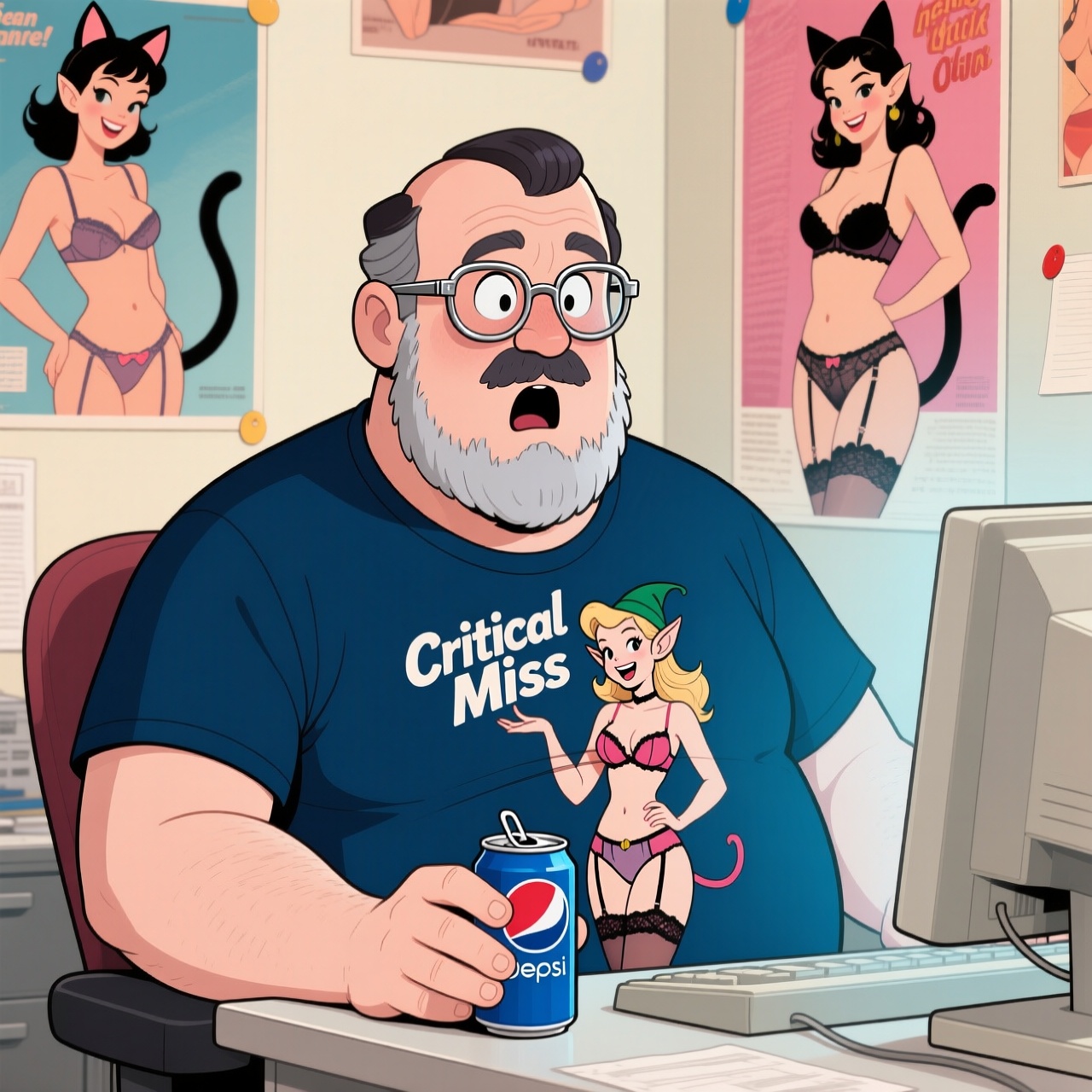
(also, those models all have a maximum 16KB context limit, so even half a dozen passes will blow it out; deleted)
Unrelated,
Amazon’s recommending bibles this week. Gosh, what could have happened recently that shifted the algorithm? Like the motives of a left-wing Antifa terrorist who was fucking a furry tranny, I guess we’ll never know.

Even more unrelated,
I was briefly deeply disturbed by the Chinese furniture manufacturer that has chosen the brand name Goaste. Read it wrong the first time…

Dear ANN reviewer,
I really don’t care about your trans journey, or how you feel it was reflected in the final episode of Call Of The Night 2. Allow me to introduce you to the concept of TMI.
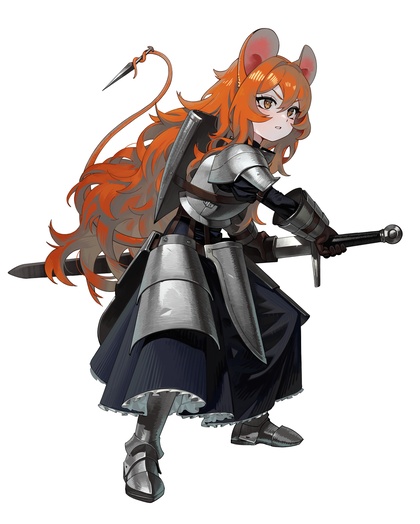
Batch Gals
SwarmUI’s wildcard support isn’t completely random. Buried in the “Swarm Interal” section of the parameters is the “Wildcard Seed Behavior” param, which defaults to “Random”. Changing it to “Index” will loop through the wildcards file in order.
So I used my latest wildcard set to generate 250, piped that through the LLM prompt enhancer, and turned it loose.
Not all of the fails were due to the enhancer. Missing limbs and off-by-N finger counts are old hat, so let’s stick to novel fails.
Footloose
I really hope this isn’t one of hers.
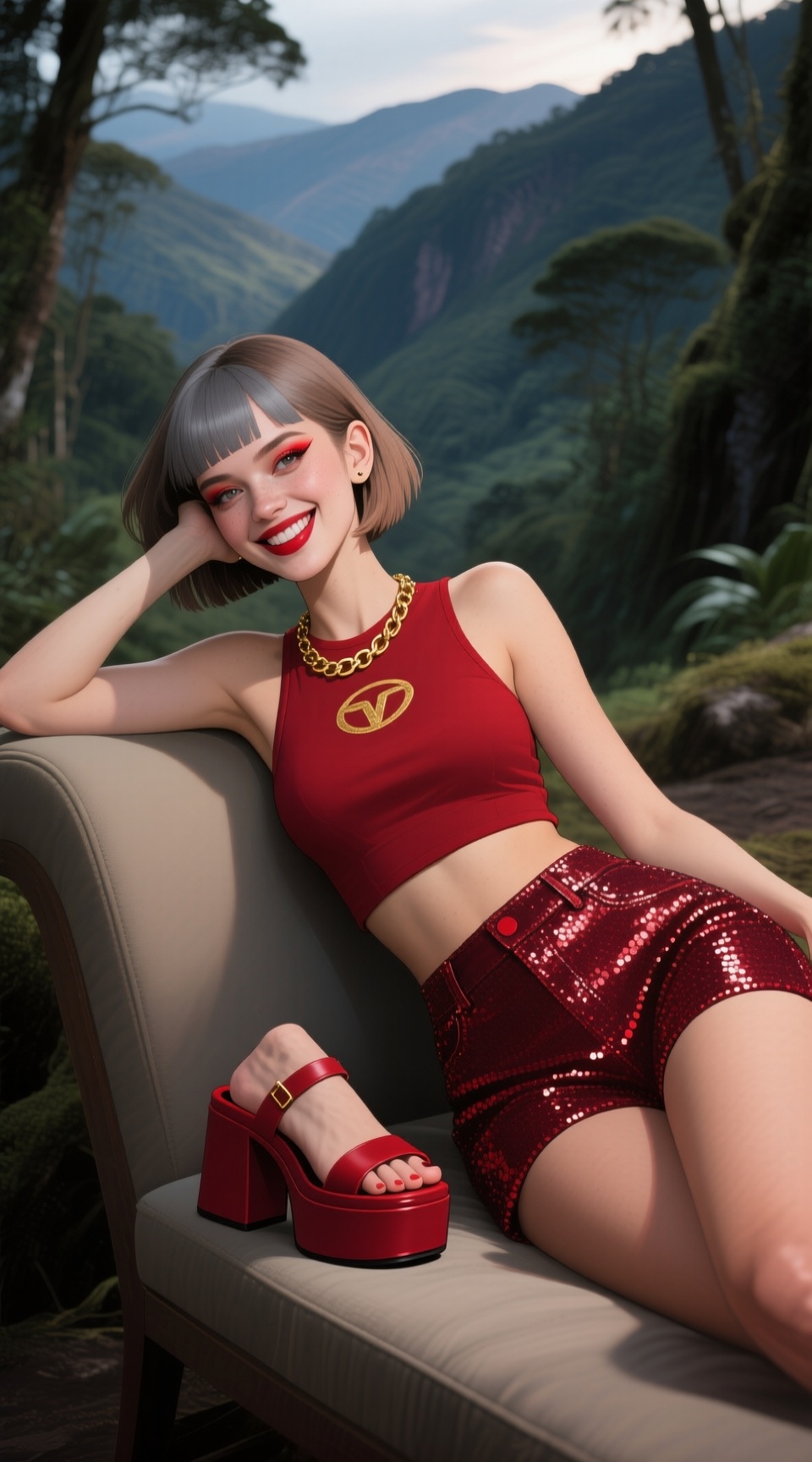
New prompt rule!
“Do NOT add text to the image unless specifically requested in the prompt.”

Light humor
The prompt enhancer tried to emulate lighting instructions, with “a light reflector card bounced soft natural sunlight onto her, illuminating subtle shadows”. However, Qwen turned that into “the sun is a softbox on a light stand, which is visible in the frame”.
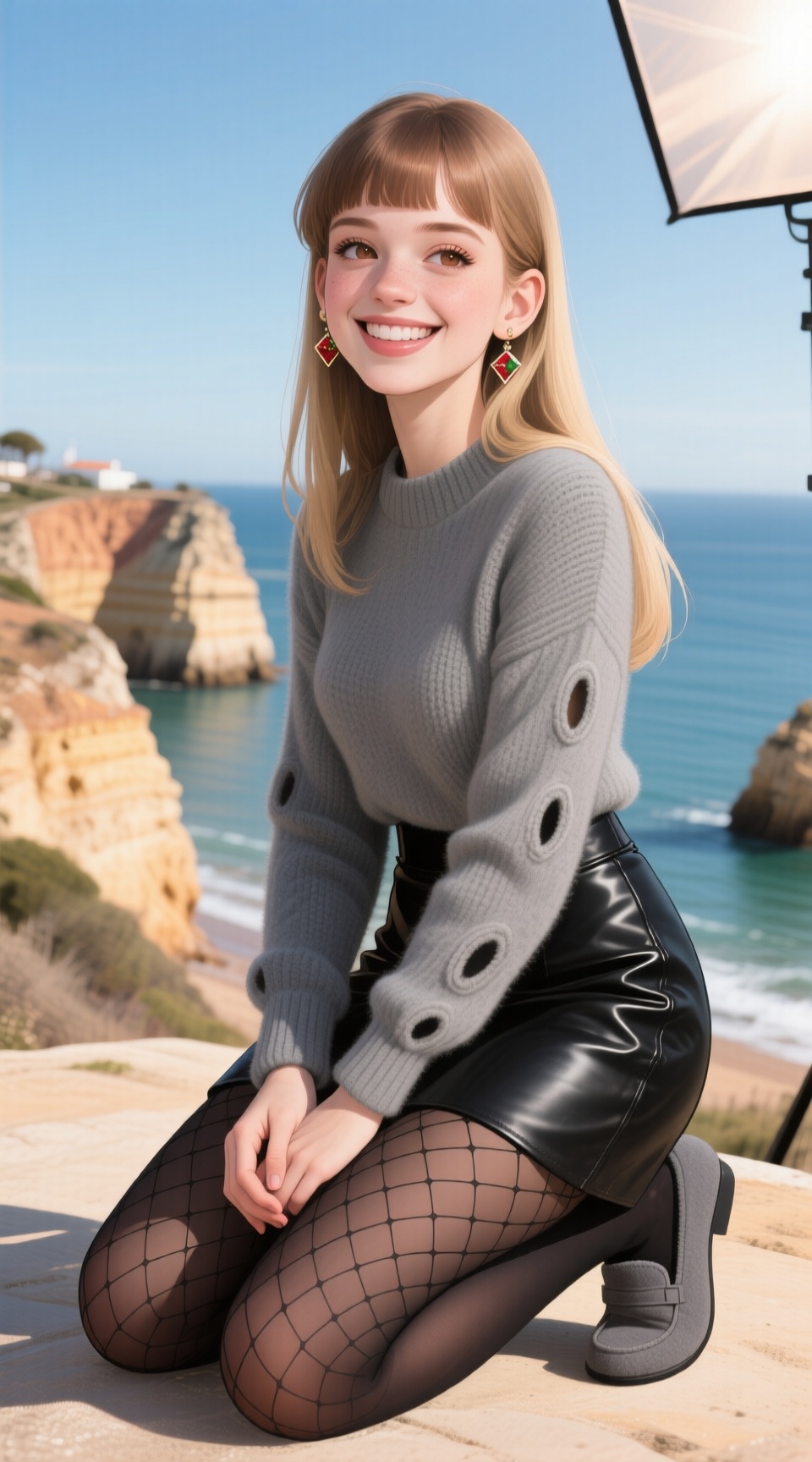
Ready, aim, fail!
The camera intruding into the frame is not pointed at the girl. Clearly an oblivious tourist just wandered into the scene.
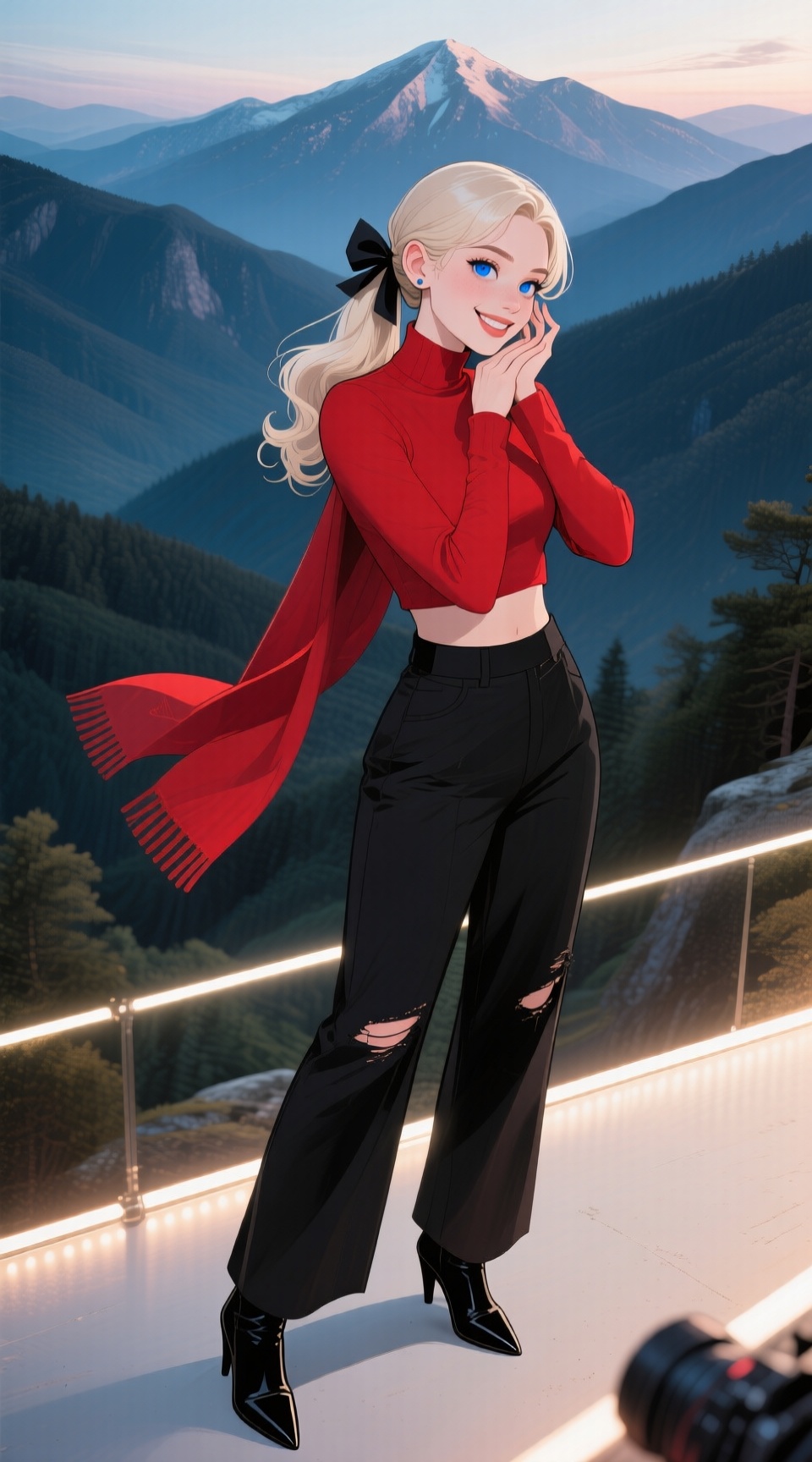
Hoofing it
Not only did the prompt enhancer invent random text, and even a random name for the girl, Qwen gave her two left feet. Or more precisely, a left foot and a left hoof.
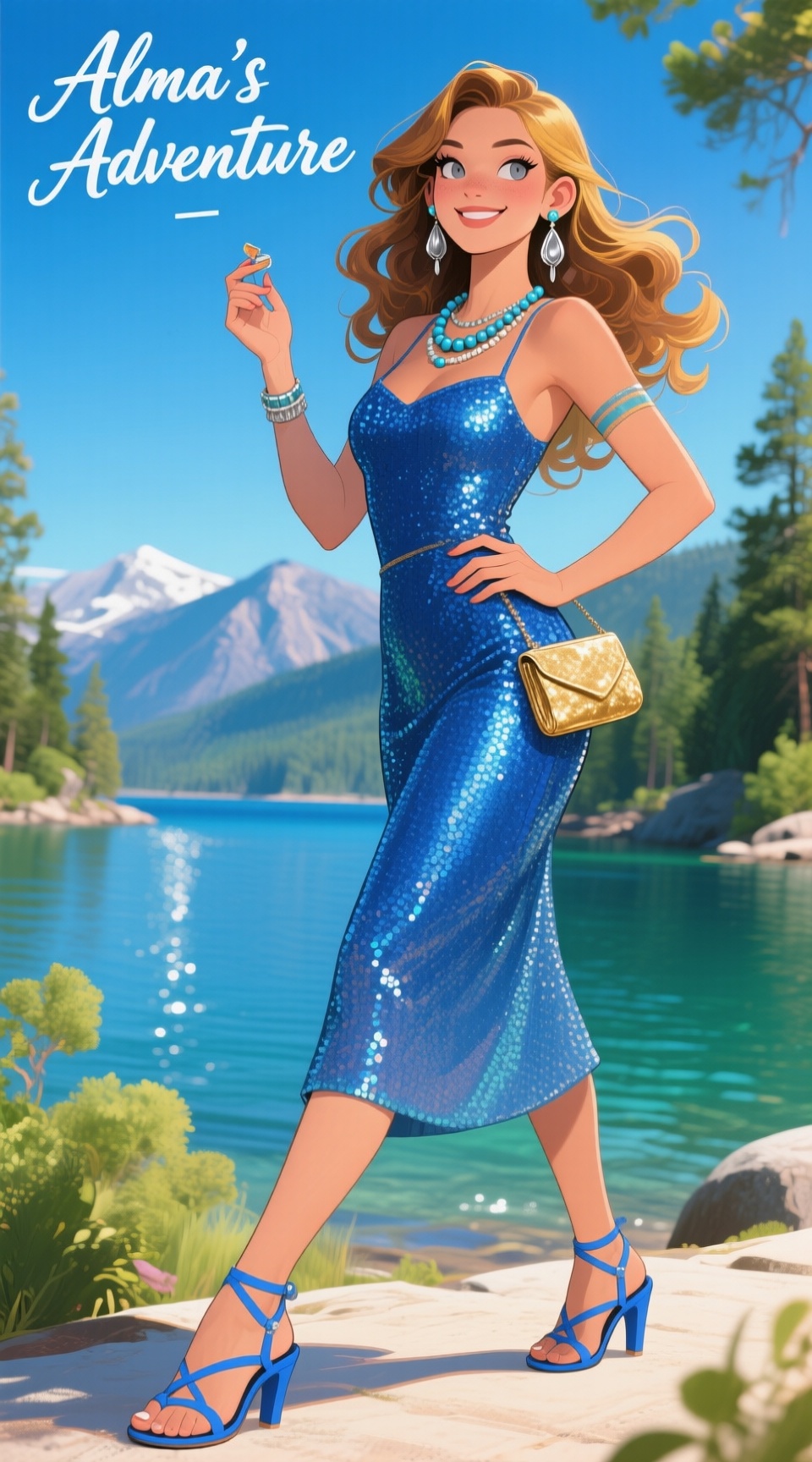
Handiwork
Her left hand is closer to the camera. Her right hand has longer fingers.

Flip-flops considered harmful
Shoes would have hidden the deformed left foot attached to the right leg.

Throwing the horns
While I feel vaguely guilty staring up the dangerously-young-looking gal’s skirt, I’m much more concerned with the way she’s fingering the ground.

The End Is Nigh
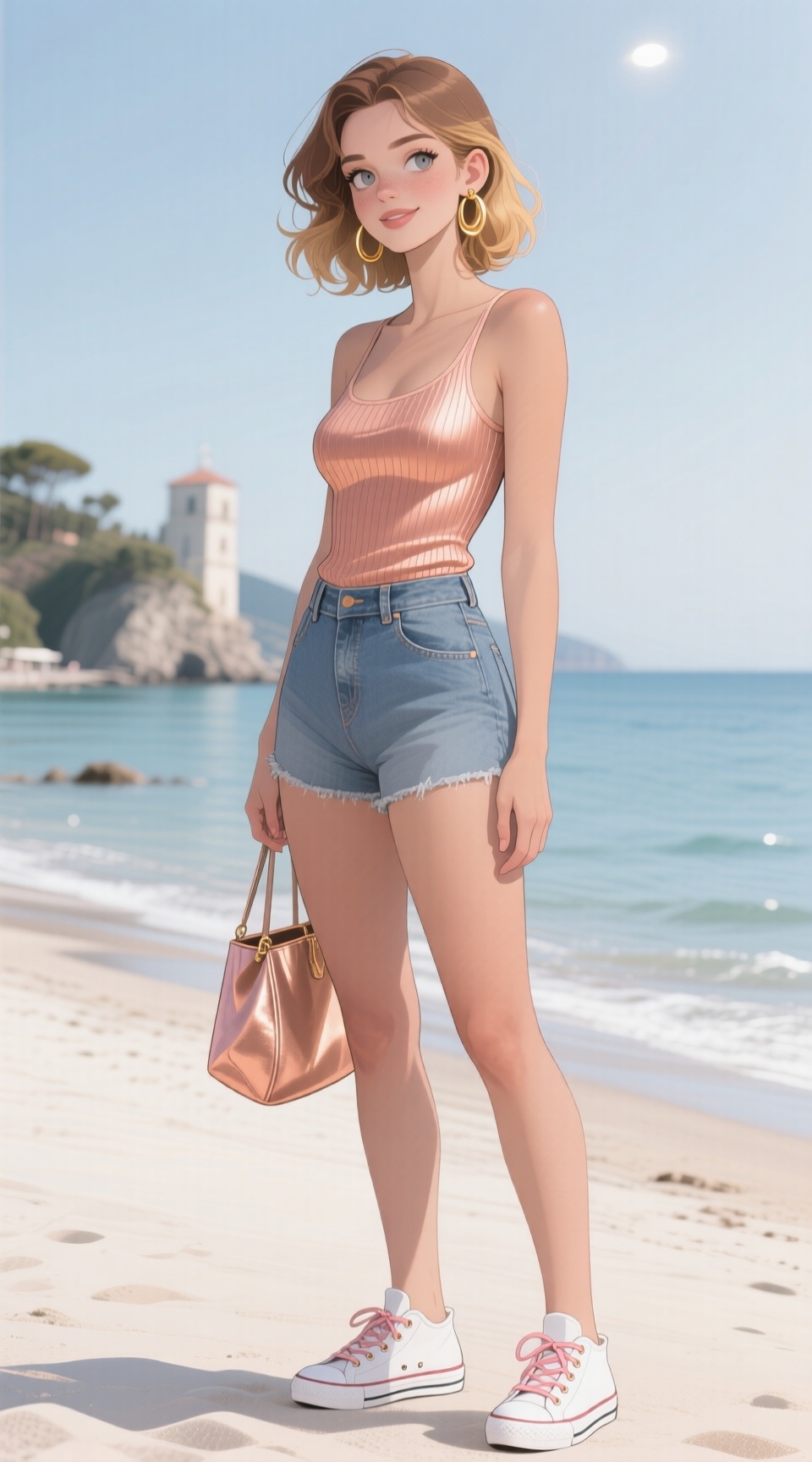
Whatever that glowing ball in the sky is, it’s not the sun. Look at the shadows.
Weebles wobble
Try standing in this position, but don’t try to stay like that, especially if you have testicles.
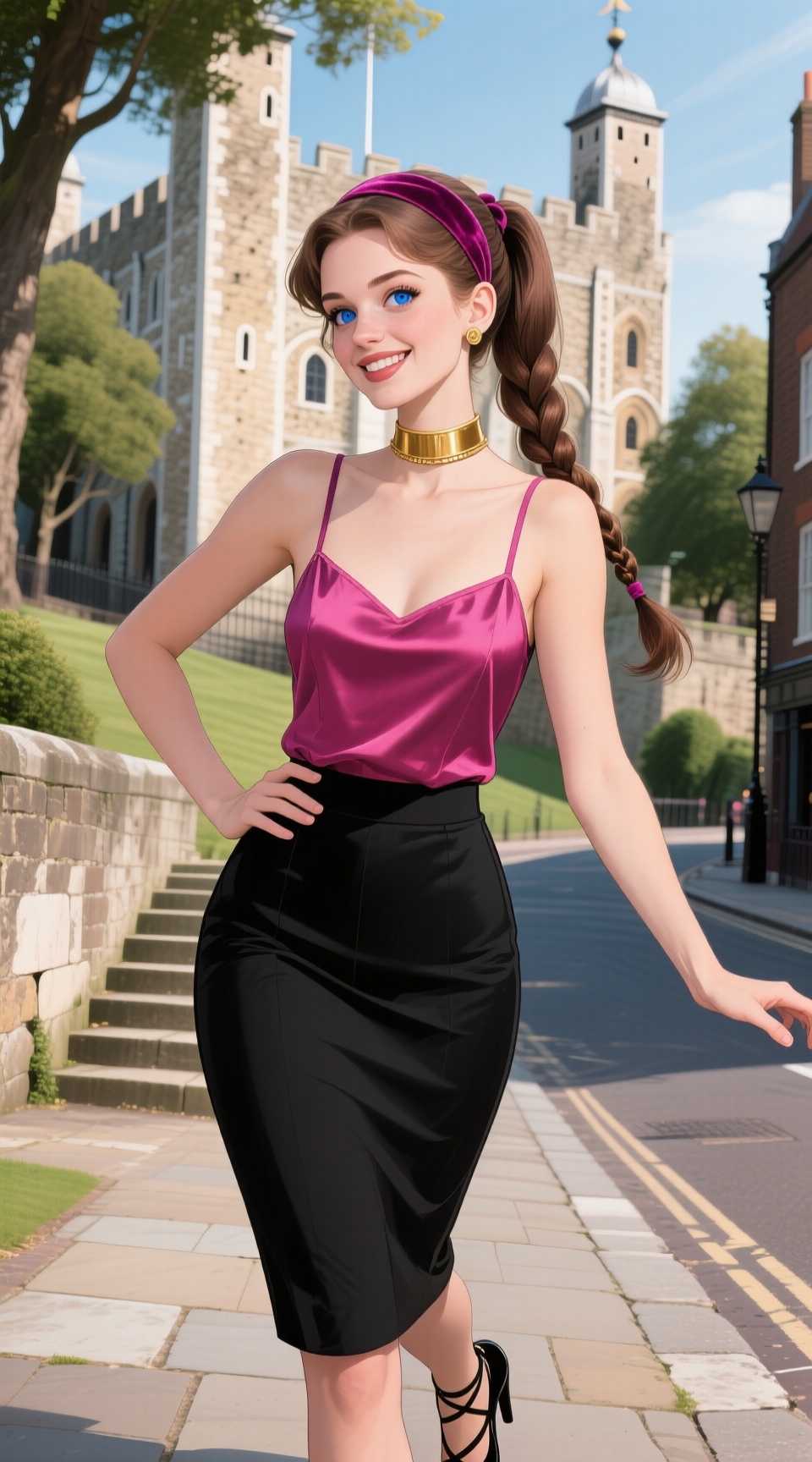
Not the measurement I’m most interested in…
Why Qwen decided to print her height, of all numbers…
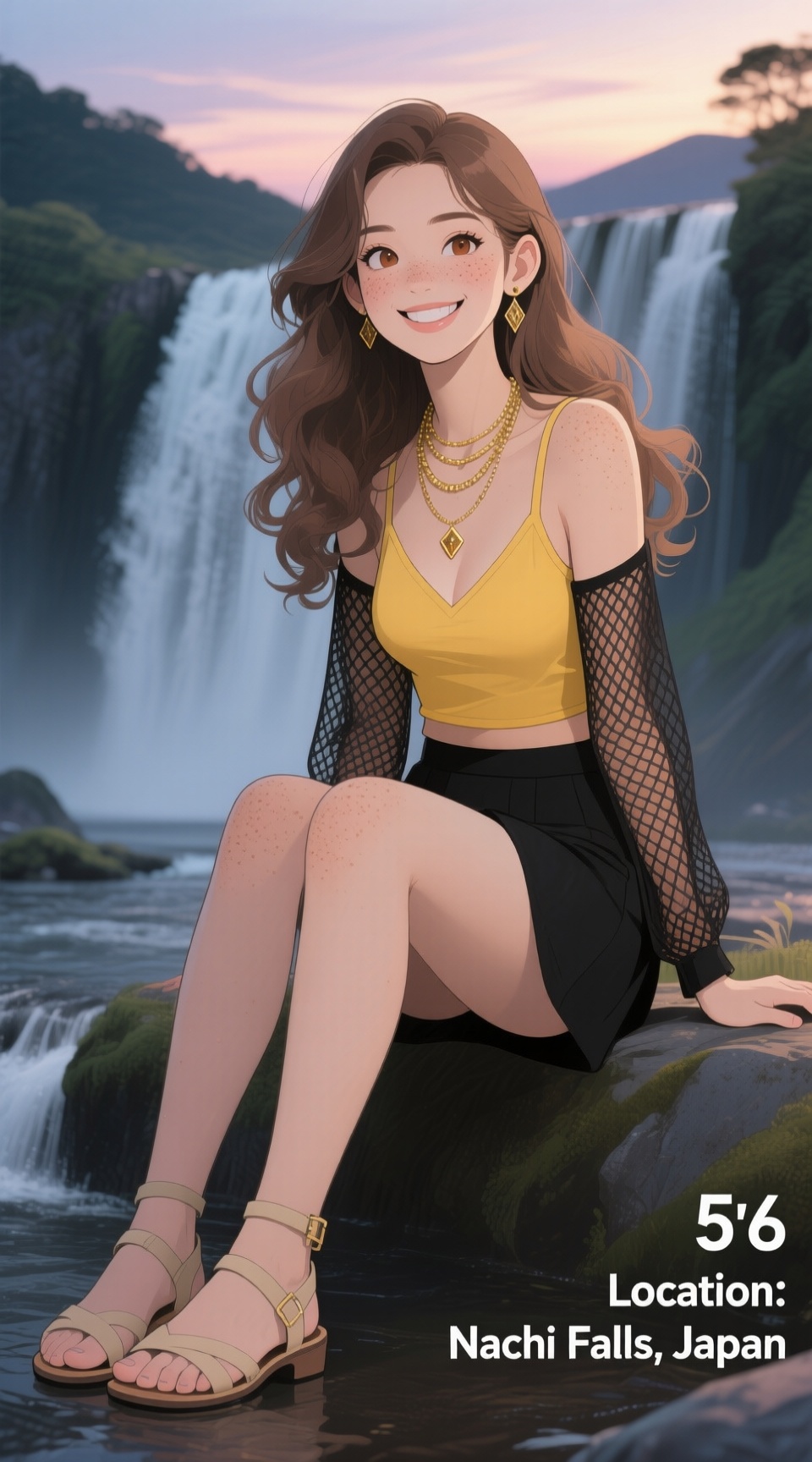
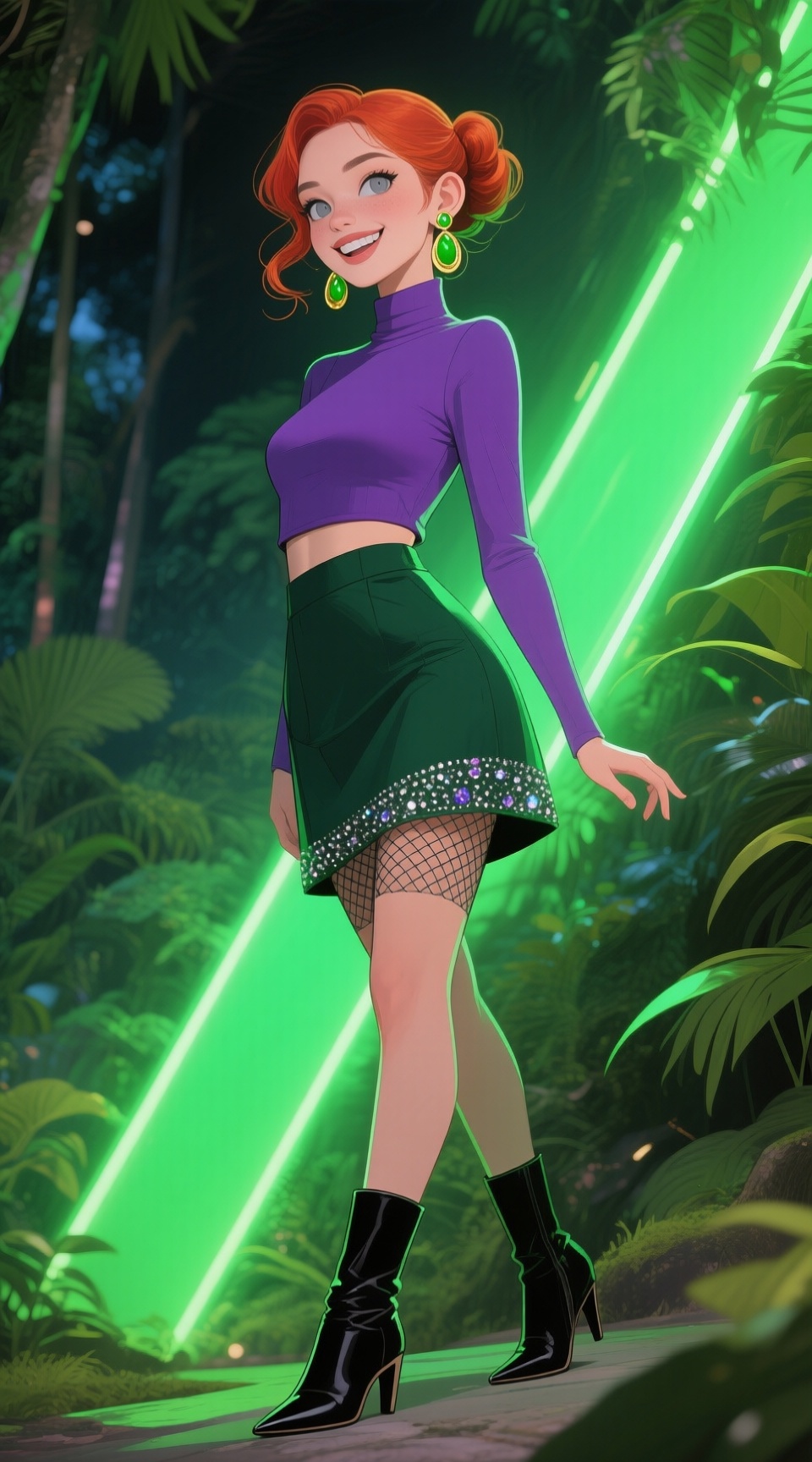
Okay, those are crazy eyes
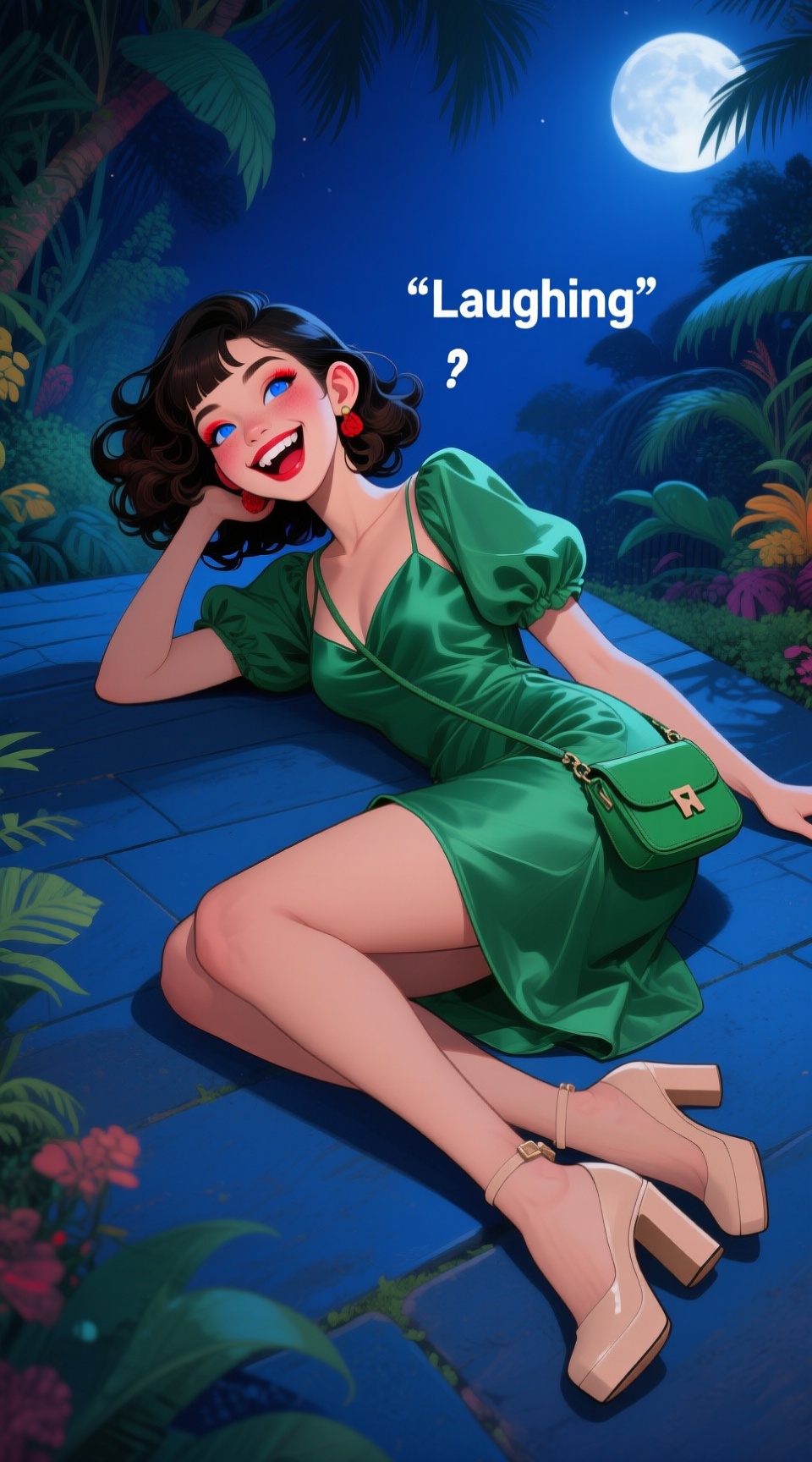
Laughing at the living
Pretty sure this chick’s a vampire.
Kickdancer
No fail, but I feel like she’s about to break into a Russian folk dance where she destroys a vase with each kick.
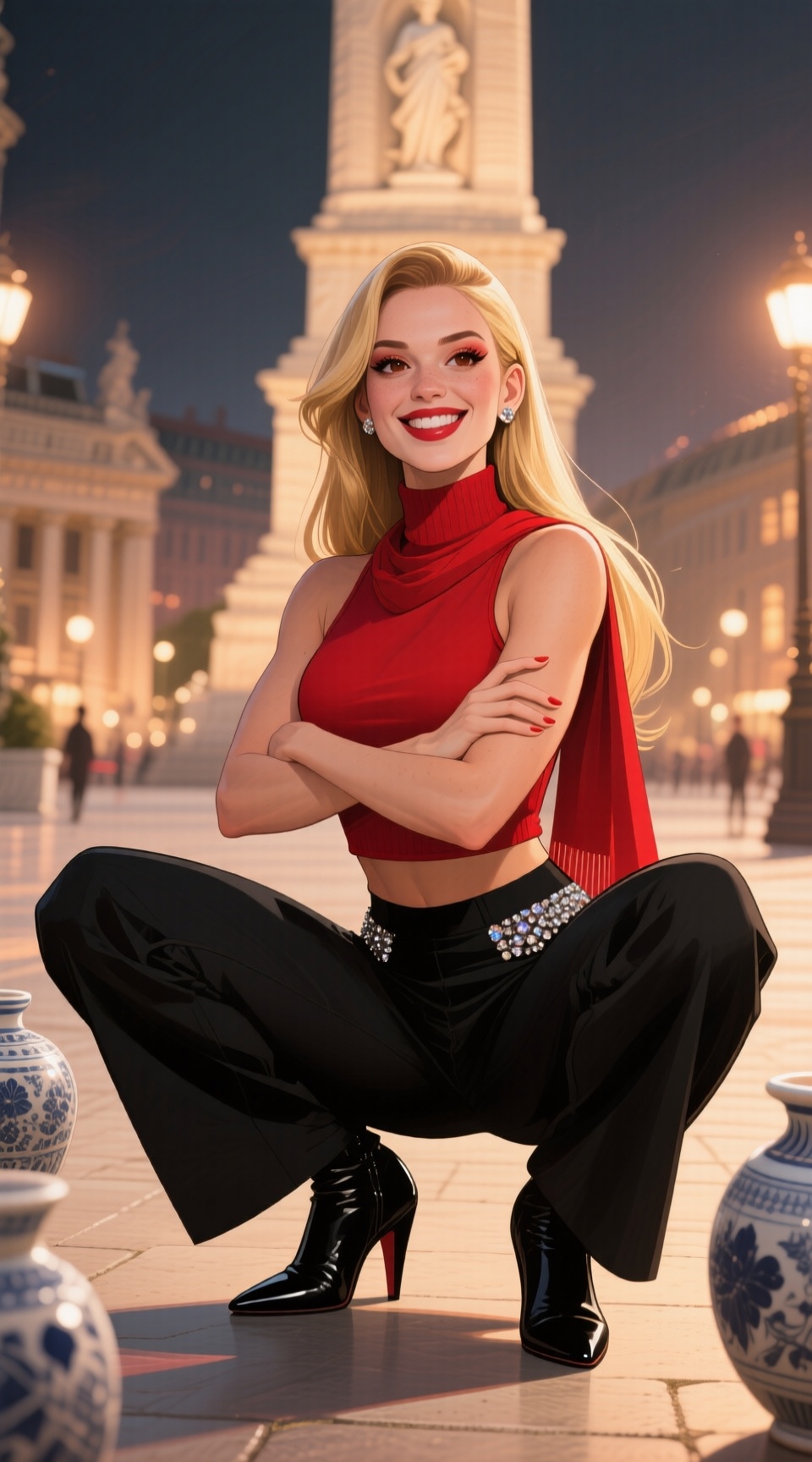
Not-so-leggy
Her right leg looks oddly short, especially given the angle and perspective. Also, the handcuffs are invisible.
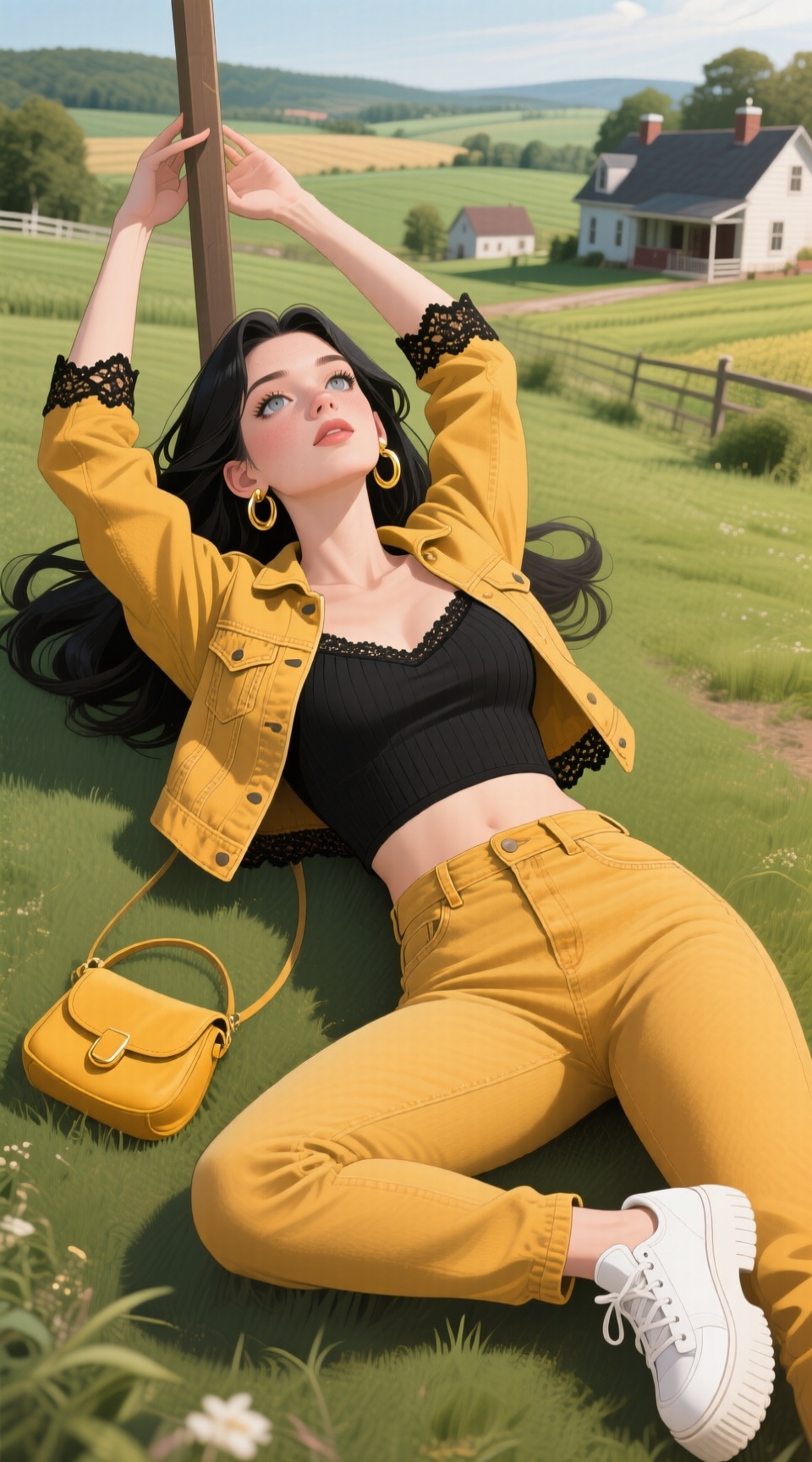
Really need to prune the lighting prompts…
Yes, someone erected a giant softbox in the desert during daylight.

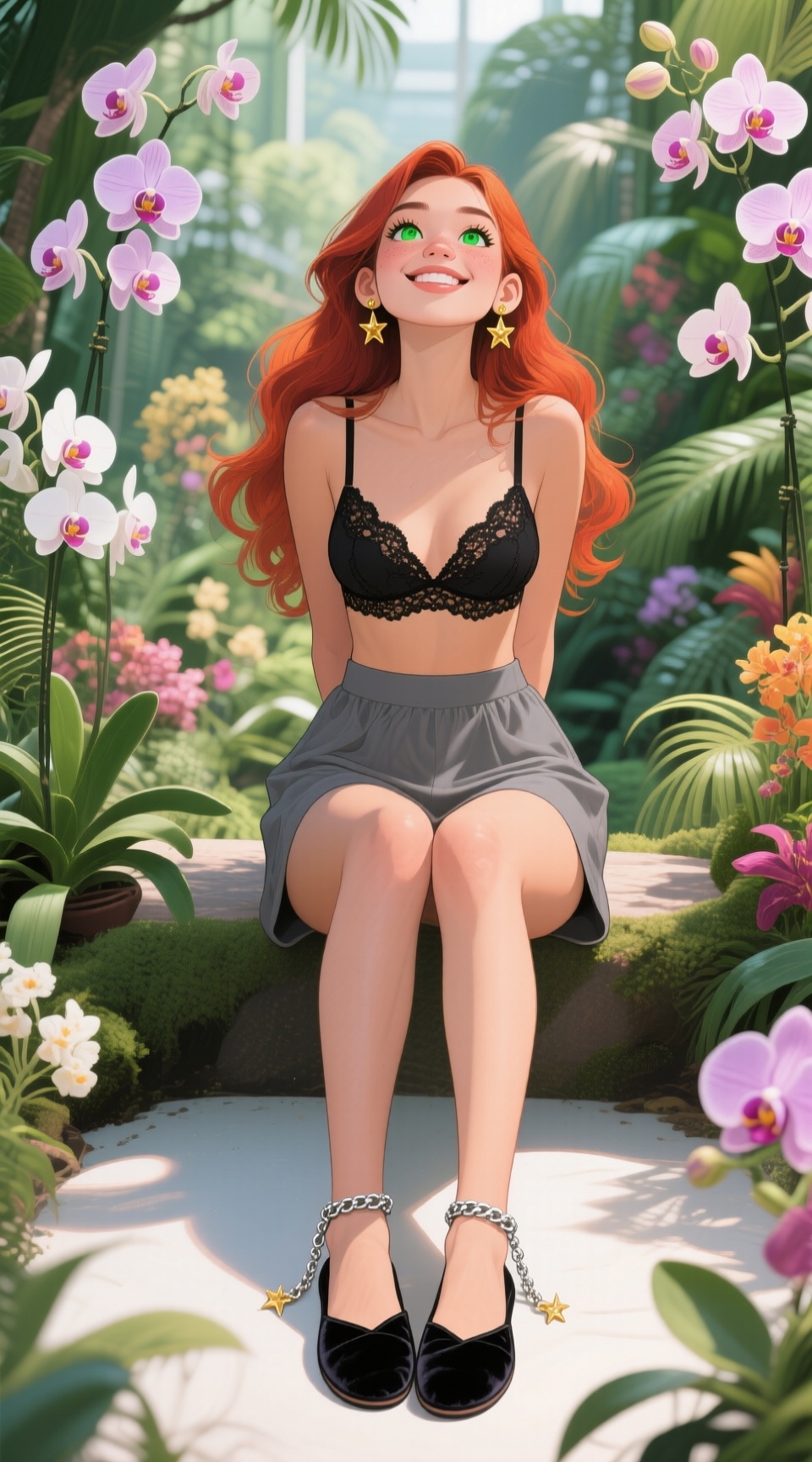
🎶 She’s got spurs, that jingle when she tinkles… 🎶
Not the usual “ankle chain”.
Jailbait Killbot
…but worth it.
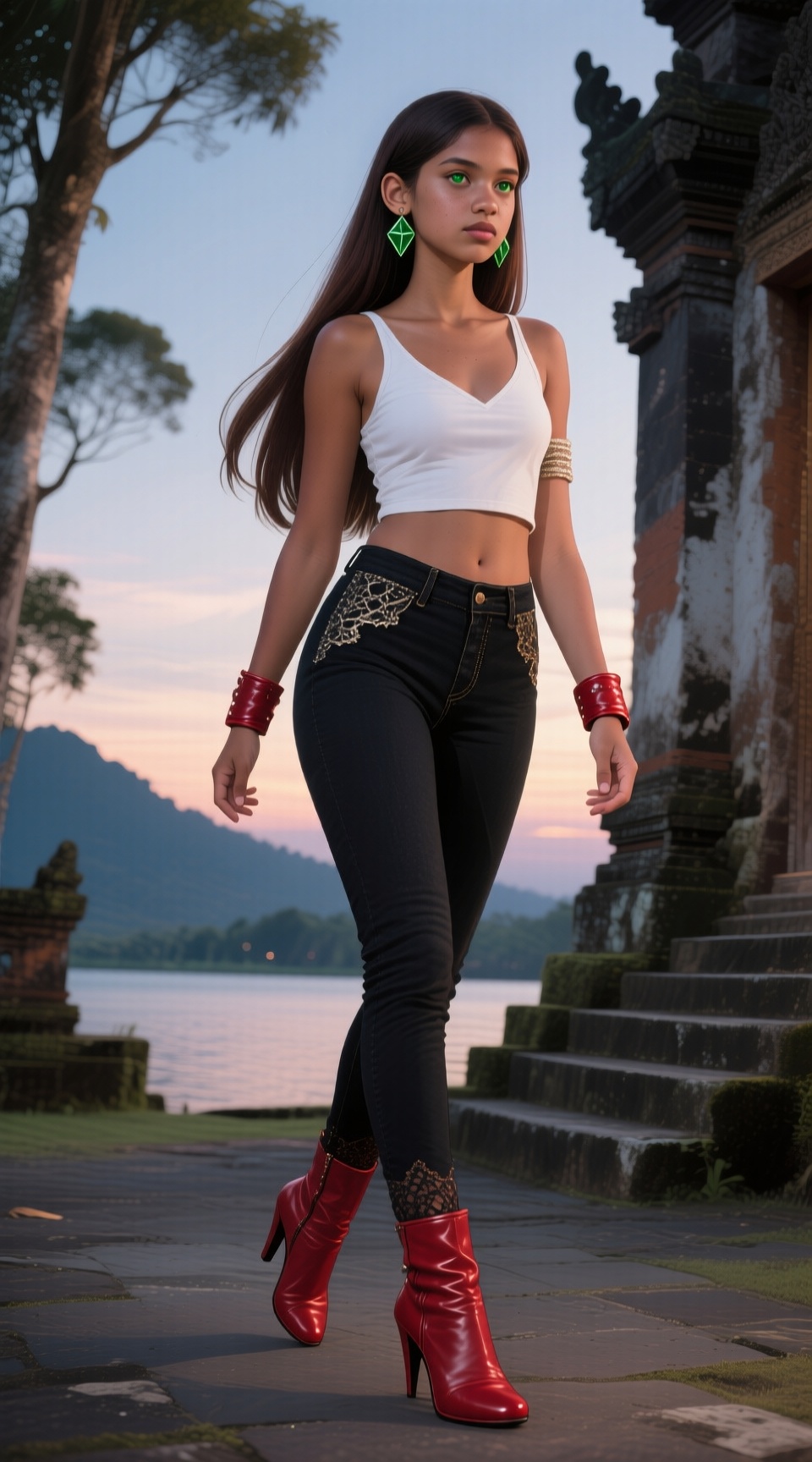
Something’s happening here…
…that right leg ain’t exactly clear. (the weird-ass globby shadow is what you get unless you really crank up the steps)
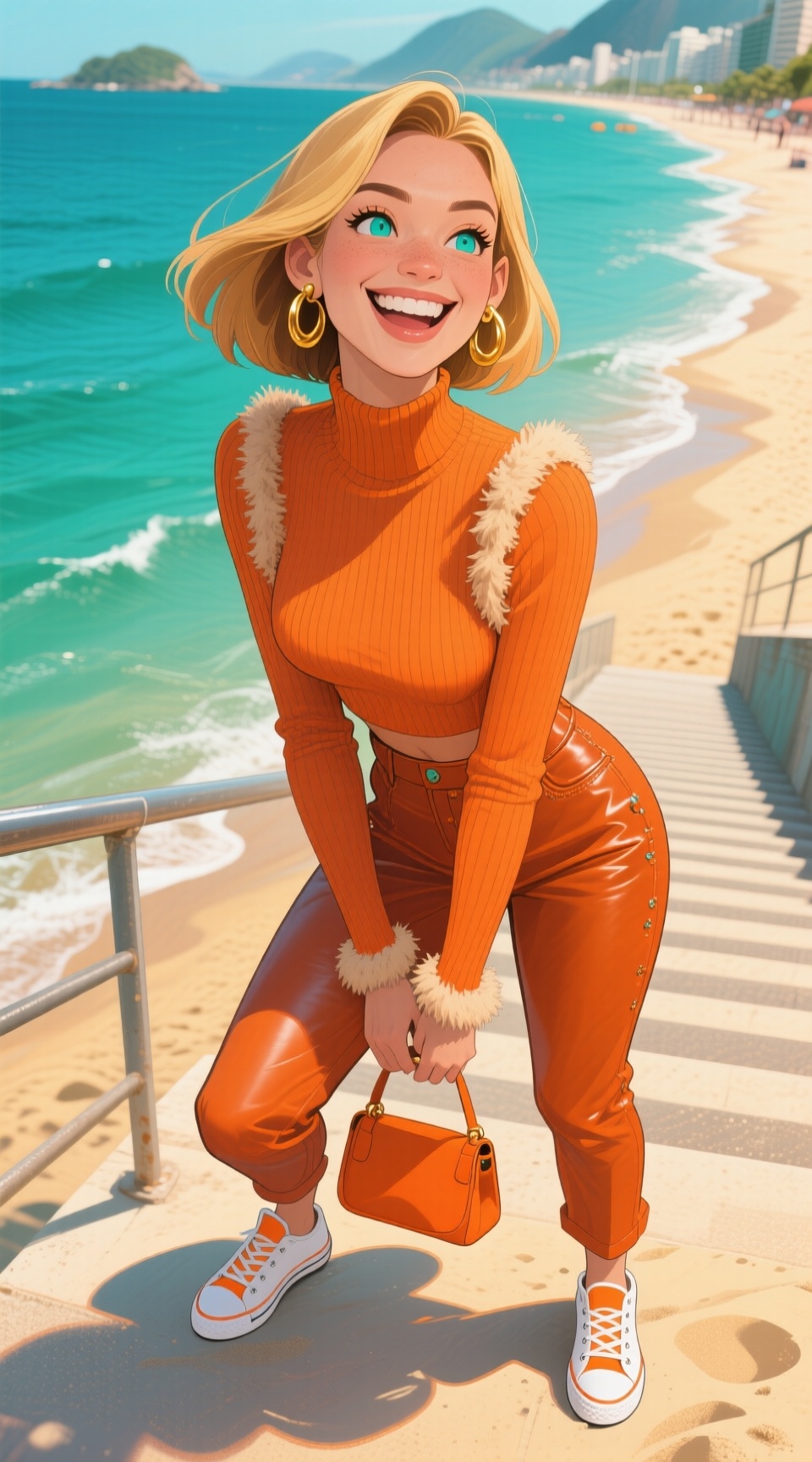
🎶 Five short minutes of lovin’… 🎶
The fail here isn’t visual, it’s the fact that the prompt specifically requests “average height”, “late-twenties”, and “shapely figure”. This little gal can’t be a day over fourteen.
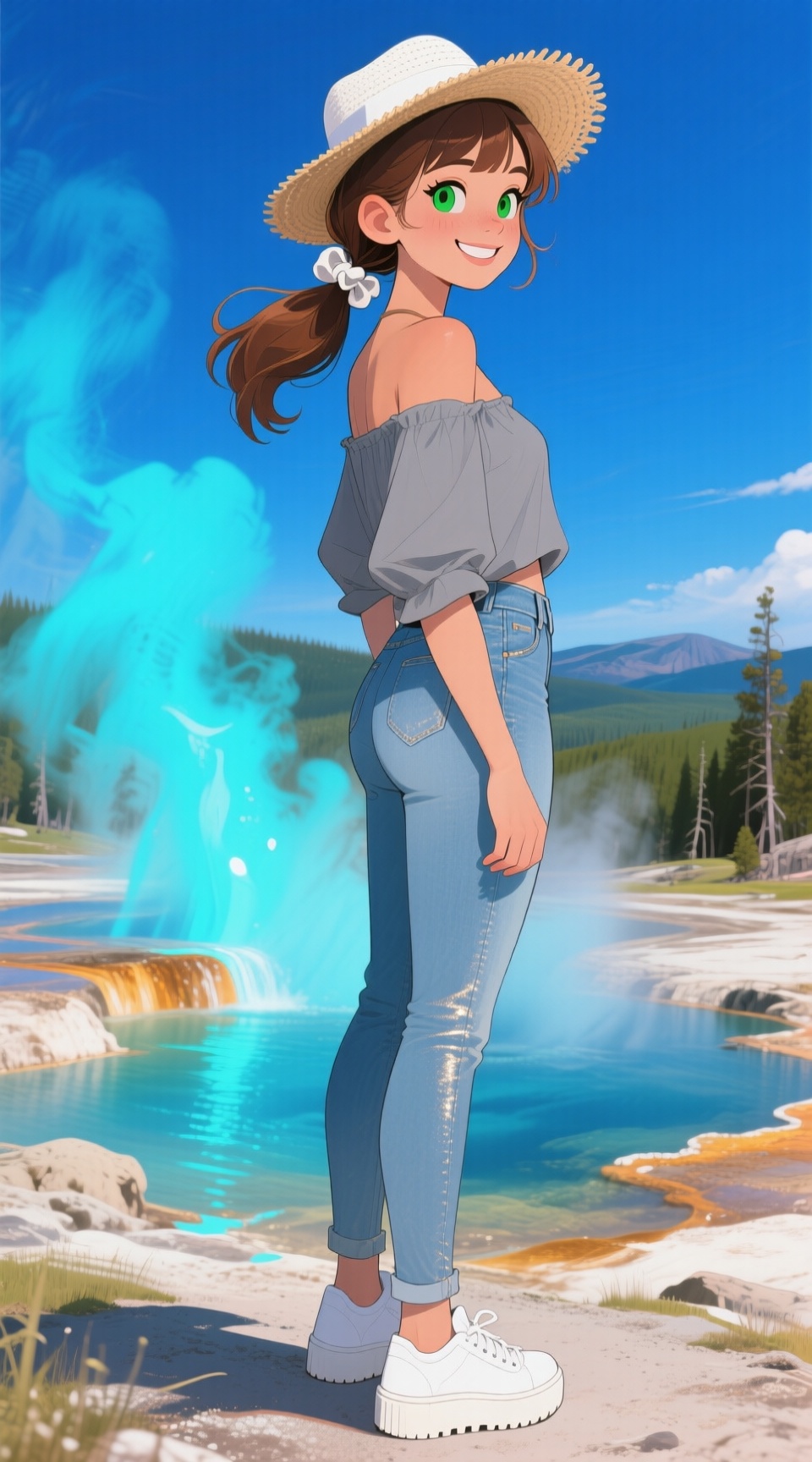
Comments via Isso
Markdown formatting and simple HTML accepted.
Sometimes you have to double-click to enter text in the form (interaction between Isso and Bootstrap?). Tab is more reliable.